
US-China Trade: How AI is Shifting the Balance
The Next Chapter: How US-China Tensions Could Forge a New Era of Southeast Asian Tech Dominance
Okay, folks, buckle up, because I've got something genuinely exciting to share today. We're at a pivotal moment, a technological inflection point, and believe it or not, the ongoing US-China trade tensions might just be the catalyst for a massive shift in the global tech landscape.
You see, while headlines scream about tariffs and trade wars, a quieter, more transformative story is unfolding in Southeast Asia. And it all revolves around critical minerals.
The Critical Mineral Gold Rush
Think of critical minerals as the essential vitamins of the modern tech world. They're the raw materials that power our smartphones, electric vehicles, and even advanced aerospace equipment. And right now, the demand for these minerals is absolutely exploding, driven by the relentless march of technology and the global push for clean energy.
Now, here's where things get interesting. A recent report from the Asean+3 Macroeconomic Research Office (AMRO) suggests that Southeast Asian economies are poised to seize a "transformative" opportunity in this critical mineral supply chain. Yasuto Watanabe, AMRO's director, told the Post that several Asean members have significant reserves and are actively looking to integrate into the clean-tech and advanced-manufacturing ecosystems. [Source Title]: US-China tensions offer Asean ‘transformative’ critical minerals opportunity: economist
This isn't just about digging stuff out of the ground. Malaysia, for example, already has processing capacity, which is a huge advantage. Developing a mine from scratch to export capacity? We're talking a decade, folks. Malaysia's ahead of the game.
But the real game-changer here is the strategic alignment. Watanabe points out that Asean economies bring resources and strategic location to the table, while China, Japan, and South Korea offer capital and technology. Imagine that: a collaborative effort, a true synergy, that could reshape the entire global supply chain.
And the US is taking notice. We've already seen memorandums of understanding signed with Malaysia and Thailand to secure rare earth elements. Why? Because these minerals are essential for crafting permanent magnets and other crucial tech components.
This reminds me of the California gold rush, but instead of pickaxes and pans, we're talking about cutting-edge technology and international partnerships. What I'm wondering is, what new innovations will be born from this influx of resources and investment?
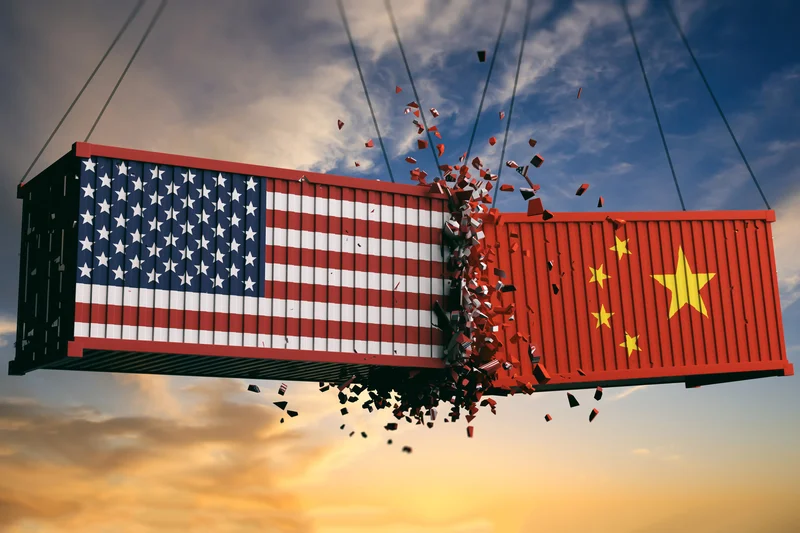
Beyond the Headlines: A New Tech Hub Emerges?
But here's the really big idea, the thing that gets me fired up: This isn't just about securing resources. It's about building a new center of technological innovation.
For years, the global tech landscape has been dominated by a handful of players. But what if Southeast Asia could emerge as a major force, a new hub of research, development, and manufacturing? What if this region could become a breeding ground for the next generation of tech breakthroughs?
This isn't just wishful thinking. We're already seeing signs of it. Take the Nexperia factory in China, for example. It's a massive facility, a symbol of global manufacturing, but it's also become a pawn in geopolitical tensions. [Source Title]: US-China tech war: Nexperia saga exposes Europe’s loosening grip on chip supply chain This kind of uncertainty creates opportunity, a vacuum that other regions can fill.
I saw a comment on Reddit the other day that really resonated with me: "Southeast Asia has the potential to be the Switzerland of tech – neutral, stable, and highly skilled." I couldn't agree more. This region has the potential to attract talent, investment, and innovation from all over the world.
Of course, there are challenges. We need to ensure that this development is sustainable, that it benefits local communities, and that it doesn't exacerbate existing inequalities. And, of course, with any new technology that promises so much, we must consider the ethical implications. But I am confident that we can navigate these challenges and create a future where technology serves humanity.
The Dawn of a New Era
This is the kind of breakthrough that reminds me why I got into this field in the first place. The convergence of geopolitical forces, technological innovation, and economic opportunity is creating a moment of unprecedented potential.
What does this mean for us? It means new jobs, new industries, and new possibilities. It means a more diverse and resilient global economy. But more importantly, what could it mean for you? What new opportunities will this create for you to learn, to grow, and to contribute to the future?